In the digital marketing world, two terms often create confusion: SEO and SEM (Search Engine Marketing). Both help businesses appear on search engines like Google, both aim to bring traffic, and both can increase leads or sales. But they work in different ways.
Understanding SEO vs SEM (Search Engine Marketing) is important if you want to choose the right strategy for your business growth. Some businesses need long-term organic visibility, while others need quick results through paid ads. Many successful brands use both together.
Think of search results as prime real estate. SEO builds a house there over time. SEM rents a billboard instantly.
What is SEO?

SEO stands for Search Engine Optimization. It is the process of improving your website so it ranks higher in organic (non-paid) search results.
SEO focuses on making your website valuable and relevant to search engines and users.
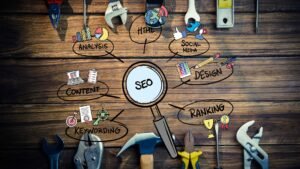
Common SEO activities include:
- Keyword research
- On-page optimization
- Content creation
- Technical SEO
- Link building
- Improving page speed
- Mobile optimization
For example, if someone searches “best digital marketing agency in Kerala,” SEO helps your website rank naturally without paying for each click.
What is SEM (Search Engine Marketing)?
SEM (Search Engine Marketing) refers to paid strategies used to appear in search engine results. It usually includes Pay-Per-Click (PPC) advertising such as Google Ads.
With SEM (Search Engine Marketing), businesses bid on keywords so their ads appear at the top of search results.
Examples:
- Buy running shoes online
- Dentist near me
- Luxury car rental Dubai
When someone clicks the ad, the advertiser pays a fee.
SEM is fast, measurable, and useful when immediate traffic is needed.
SEO vs SEM (Search Engine Marketing): Main Difference
The biggest difference between SEO vs SEM (Search Engine Marketing) is simple:
- SEO = Organic traffic from unpaid rankings
- SEM = Paid traffic from search ads
SEO earns visibility gradually. SEM buys visibility quickly.
SEO vs SEM (Search Engine Marketing): Detailed Comparison
| Feature | SEO | SEM (Search Engine Marketing) |
|---|---|---|
| Traffic Source | Organic | Paid Ads |
| Cost Per Click | No | Yes |
| Speed of Results | Slow to medium | Fast |
| Long-Term Value | High | Depends on budget |
| Trust Factor | Often higher | Good but marked as ad |
| Sustainability | Strong | Stops when ads stop |
| Best For | Long-term growth | Quick leads and launches |
Benefits of SEO
1. Long-Term Traffic
Once rankings improve, SEO can generate steady traffic over time.
2. Builds Trust
Many users trust organic results more than ads.
3. Better ROI Over Time
SEO may take time, but it can become highly cost-effective.
4. Brand Authority
Ranking well signals expertise and relevance.
SEO is like planting mango trees. It takes patience, then rewards you season after season.
Benefits of SEM (Search Engine Marketing)
1. Immediate Visibility
Your ads can appear quickly after launch.
2. Targeted Audience
You can target location, device, age groups, and search intent.
3. Easy Testing
SEM helps test keywords, offers, and landing pages fast.
4. Great for Promotions
Useful for sales campaigns, new products, events, or seasonal offers.
SEM is a speedboat. SEO is a sturdy shipyard.
When to Choose SEO
Choose SEO if you want:
- Long-term website growth
- Consistent organic traffic
- Better authority online
- Lower acquisition cost over time
- Sustainable results
SEO is ideal for blogs, service businesses, ecommerce stores, agencies, and local businesses.
When to Choose SEM (Search Engine Marketing)
Choose SEM (Search Engine Marketing) if you want:
- Fast leads or traffic
- Immediate visibility
- Product launch support
- Seasonal campaigns
- Highly targeted paid traffic
SEM is often useful for competitive markets where organic rankings take time.
Best Strategy: SEO + SEM Together
The smartest approach in many cases is combining SEO vs SEM (Search Engine Marketing) instead of choosing only one.
Use SEO for:
- Long-term rankings
- Evergreen traffic
- Authority building
Use SEM for:
- Quick wins
- Testing keywords
- Promotions
- Filling traffic gaps
Together, they cover both today and tomorrow.
Example Scenario
Imagine a dental clinic opening in Kannur.
SEO Strategy:
- Optimize pages for “dentist in Kannur”
- Create blog content
- Improve local SEO
- Collect reviews
SEM Strategy:
- Run Google Ads for “emergency dentist Kannur”
- Promote teeth whitening offers
- Drive calls instantly
This combination can create momentum faster.
Common Mistakes
Avoid these traps:
- Expecting SEO results overnight
- Running SEM without conversion tracking
- Ignoring landing page quality
- Using wrong keywords
- Stopping SEO because ads are running
- Relying only on ads forever
That last one can become a treadmill with a monthly invoice.
Final Thoughts
Understanding SEO vs SEM (Search Engine Marketing) helps businesses invest smarter.
If you need fast traffic now, SEM (Search Engine Marketing) can help immediately. If you want sustainable growth, SEO is essential. If you want both speed and stability, use both together.
Search engines are crowded streets. SEO builds your storefront. SEM lights up a sign above it.
Contact Us
Rank With Mujeeb Rank With Mujeeb
🌐 Website:https://rankwithmujeeb.in/
📧 Email: ads.mujeeb@gmail.com
📞 Phone: +91 9207328630
📞 UAE: +971 50970 9092
📍 Location: Kerala, India