Many people starting an online business often get confused about SEO vs Digital Marketing. They hear both terms regularly and assume they mean the same thing. While they are closely connected, they are not identical. Understanding the difference can help you choose the right strategy for your website or business.
In simple words, SEO is one part of digital marketing. Digital Marketing is the complete toolbox, while SEO is one powerful tool inside it.
If digital marketing is a full orchestra, SEO is the violin section. Important on its own, stronger when working with the rest.

What is SEO?
SEO (Search Engine Optimization) is the process of improving a website so it ranks higher on search engines like Google and Bing.
The main goal of SEO is to bring organic traffic, meaning visitors who find your website naturally through search results instead of paid advertisements.
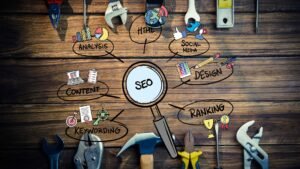
SEO usually includes:
- Keyword research
- On-page optimization
- Technical SEO
- Content creation
- Link building
- Mobile optimization
- Website speed improvements
- User experience updates
When someone searches “best bakery near me” or “digital marketing agency,” SEO helps relevant websites appear higher in results.
What is Digital Marketing?
Digital Marketing is the promotion of products or services using online channels. It includes every method businesses use on the internet to attract customers, generate leads, and increase sales.
Digital marketing includes:
- SEO
- Social Media Marketing
- Content Marketing
- Email Marketing
- Pay-Per-Click Advertising (PPC)
- Influencer Marketing
- Video Marketing
- Affiliate Marketing
- Mobile Marketing
So when comparing SEO vs Digital Marketing, remember SEO is inside digital marketing, not separate from it.
SEO vs Digital Marketing: Main Differences
1. Scope
SEO focuses mainly on search engine visibility.
Digital Marketing covers all online marketing channels.
2. Traffic Source
SEO brings organic traffic.
Digital Marketing can bring traffic from ads, email, social media, referrals, and search engines.
3. Cost Structure
SEO often requires time, effort, and content investment.
Digital marketing may include paid campaigns with direct ad budgets.
4. Speed of Results
SEO is usually slower but sustainable.
Paid digital marketing campaigns can deliver faster results.
5. Long-Term Value
SEO often compounds over time. A well-ranked page can keep attracting traffic.
Some paid campaigns stop generating traffic once the budget ends.
Why SEO is Important in Digital Marketing
Even though digital marketing includes many channels, SEO remains one of the strongest long-term strategies.
Benefits of SEO:
- Consistent website traffic
- Higher brand credibility
- Better visibility in search engines
- Cost-effective lead generation
- Improved user experience
When people trust search results, ranking well becomes valuable real estate on the internet.
Why Digital Marketing is Important Beyond SEO
Relying only on SEO may limit growth. Digital marketing gives you multiple ways to reach customers.
Benefits of digital marketing:
- Quick traffic through paid ads
- Audience engagement through social media
- Retargeting visitors who didn’t convert
- Email campaigns for repeat customers
- Brand awareness through video and content
A business using only one channel is like fishing with one hook in a huge lake.
SEO vs Digital Marketing: Which is Better?
The honest answer: both.
If you want long-term visibility and steady traffic, SEO is powerful.
If you want faster results, launches, promotions, or broader reach, digital marketing channels like ads and social media can help.
The best strategy is to combine them:
- Use SEO for long-term growth
- Use PPC for quick leads
- Use social media for engagement
- Use email for customer retention
- Use content marketing to build authority
Example for a Small Business
Imagine you run a clothing store.
With SEO:
- Your site ranks for “best women’s dresses online”
With Digital Marketing:
- You run Instagram ads
- Send email offers
- Work with influencers
- Post videos
- Retarget abandoned cart visitors
Now your marketing machine has multiple engines instead of one.
Common Mistakes People Make
Thinking SEO is Enough
SEO is excellent, but combining channels usually works better.
Ignoring SEO Entirely
Many businesses spend on ads but ignore SEO, missing long-term traffic.
Expecting Instant SEO Results
SEO takes time. It grows more like a garden than fireworks.
No Clear Strategy
Running random ads or publishing random blogs rarely works.
Best Choice for Beginners
If you are just starting:
- Build a website
- Start basic SEO
- Create useful content
- Open social media profiles
- Run small paid campaigns if budget allows
- Build an email list
This creates momentum without depending on one source.
Final Thoughts
When comparing SEO vs Digital Marketing, the real difference is scale. SEO focuses on ranking higher in search engines, while digital marketing uses multiple online channels to grow a brand.
SEO is one of the smartest long-term investments. Digital marketing gives you broader reach and faster campaign options. Together, they create a stronger, more balanced growth strategy.
If your business wants sustainable traffic and visible momentum, don’t choose between them. Use them together and let each channel do its best work. what-is-search-engine-optimization-seo-a-beginner-guide
Contact Us
Need expert help with SEO or Digital Marketing?
Rank With Mujeeb Rank With Mujeeb
🌐 Website: https://rankwithmujeeb.in/
📧 Email: ads.mujeeb@gmail.com
📞 Phone: +91 9207328630
📞 UAE: +971 50970 9092
📍 Location: Kerala, India